Learn how myHillebrandGori can help you easily manage your logisitics here. 

The logistics provider for global beverage supply chains

Beverage logistics at every stage

One specialist partner that can connect ingredients, packaging and finished beverages across the global supply chain.

Plan with a clearer view of the market

Access current operational updates and specialist insight for wine, beer, spirits and the wider beverage sector.

Global trade lane insights

Market context and planning information for key beverage routes.

Port updates

Market context and planning information for key beverage routes.

State of the industry report


Solutions built around beverage supply chains

Choose the transport service that best fits your shiments journey.

The Carbon Calculator

Use the Carbon Calculator to compare scenarios and understand how different routes and modes may influence emissions.

Explore lower-emission transport options

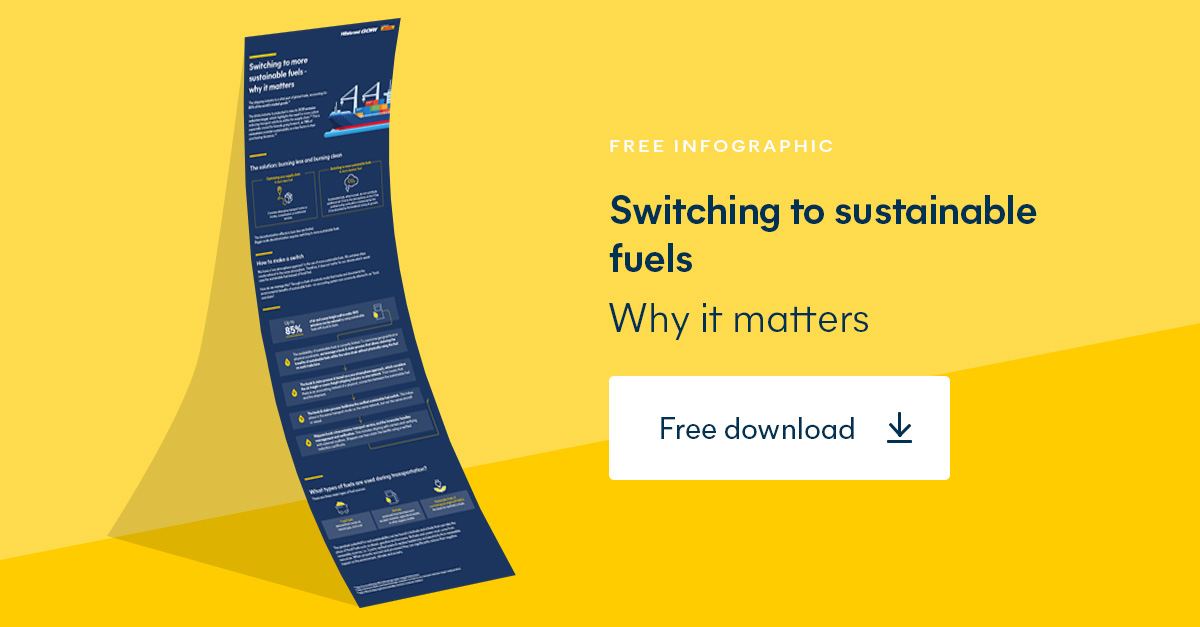
Learn how GoGreen Plus can allocate emissions reductions through sustainable fuels and book and claim.

Beverage-first expertise

Global network

In-house flexitank R&D

Patented insulation liners

Manage all your shipments tasks in one place

myHillebrandGori

Request quotes, make booking, follow milestones, manage and share documents, track inventory, create reports, pay invoices and more. myHillebrandGori brings all your shipment management tasks together in one connected digital platform.

What's got us talking recently

The EU ETS achieved an 11.4% decrease between 2019 and 2020, according to the European Environment Agency. This marks the most significant annual drop since its inception in 2005.

Companies that don’t follow EU ETS regulations will face financial penalties. Non-compliance with requirements can result in fines of €100 per missing allowance. This is equivalent to €100 per ton of carbon. Companies must also compensate for the shortfall in the subsequent year.

The new regulations apply to plane operators, as well as companies in the energy or manufacturing sectors operating in the EU, Iceland, Liechtenstein, Norway, and Northern Ireland (for electricity generation). Starting in 2024, the EU ETS expanded its scope to include emissions from maritime transport.

There are various strategies that companies can implement to reduce their emissions, such as optimizing transportation and supply chains. Companies can also invest in alternative energy sources and participate in carbon offsetting programs to compensate for their emissions.

How can we help your business grow?