Sustainability in beverage transport – what importers need to know in 2026
Table of contents
- Introduction
- What does sustainability in beverage transport mean?
- Why does sustainability matter for wine, beer and spirits importers?
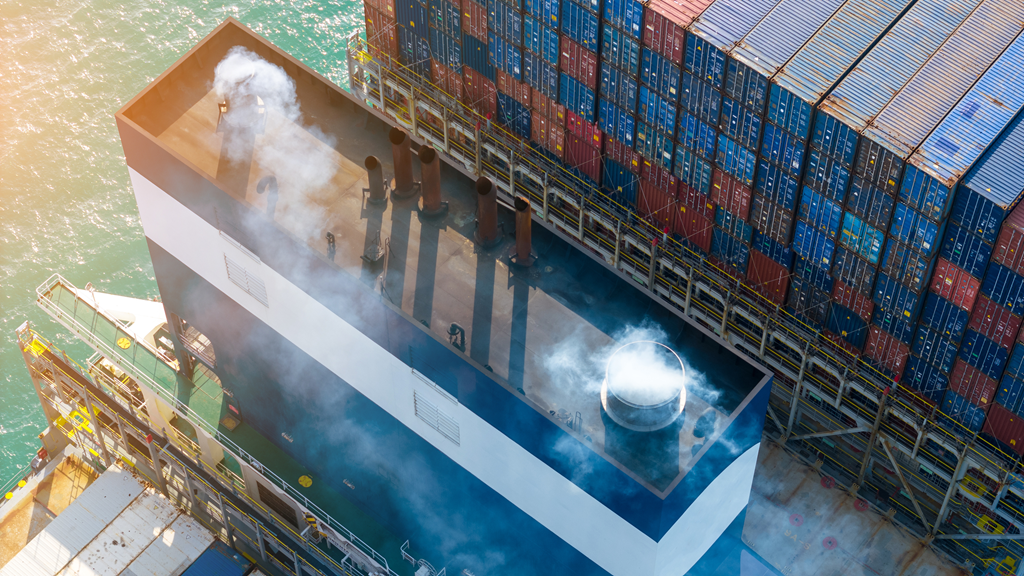
- Where do emissions come from in beverage transport?
- What can importers influence to reduce emissions?
- What is the impact of transport mode on emissions?
- How do fuel choices influence emissions in shipping?
- How does visibility support emissions management?
- How is sustainability evolving in beverage transport?
- How Hillebrand Gori supports sustainability in beverage transport
Sustainability in beverage transport is increasingly considered during planning and operational decision-making. Importers and producers are balancing cost, lead times and product quality while also addressing emissions and evolving regulatory expectations. As supply chains develop, the environmental aspects of transport are becoming more frequently evaluated. For businesses managing international flows of alcoholic beverages, understanding where transport-related CO₂e emissions come from and which influencing factors can be managed is becoming an increasingly relevant part of operational planning.
This article explains the key factors that influence emissions in beverage transport and outlines practical ways importers can approach decisions in a way that can help reduce emissions intensity, depending on transport mode, routing, and operational conditions.
To explore how sustainability fits into broader logistics planning, see Go green: The route to sustainability in logistics for importers.
What does sustainability in beverage transport mean?
In this article, sustainability in beverage transport is discussed mainly in relation to managing transport-related CO₂e emissions while maintaining operational quality, reliability and compliance.
It includes decisions made throughout the transport process, such as:
- Transport mode selection
- Routing and transit time planning
- Fuel type
- Packaging and load efficiency
- Emissions measurement and reporting
For beverage importers, these considerations are closely linked to operational choices. Temperature control, routing decisions and container selection influence both product protection and emissions outcomes.
To better understand key terms used in this space, explore Decoding transportation sustainability terminology.
Why does sustainability matter for wine, beer and spirits importers?
Sustainability considerations are increasingly incorporated into transport operations. In Europe, frameworks such as EU ETS, FuelEU Maritime and the Fit for 55 package are shaping how transport-related ‑CO₂e emissions are monitored and managed. At the same time, global freight transport is widely referenced in industry literature as a contributor to greenhouse gas emissions.
For importers, this means emissions data is becoming more closely linked to:
- Cost predictability
- Compliance requirements
- Reporting obligations
- Customer expectations
To explore how sustainability is addressed across the industry, visit the Sustainability page.
Where do emissions come from in beverage transport?
Transport-related ‑CO₂e emissions are influenced by several factors across the supply chain. The main drivers include:
- Transport mode
Sea transport generally shows a lower emissions intensity per tonne-kilometre for long‑-distance movements, when assessed on a transport emissions intensity basis, while air transport generally has‑ a higher emissions intensity. - Fuel type
Conventional fuels typically have higher emissions, while alternative fuels with lower lifecycle emissions potential may show reduced greenhouse gas impacts when assessed using recognised methodologies. - Distance and routing
Longer distances, congestion and less efficient routing can increase fuel consumption. - Load efficiency
Partially filled containers increase emissions per unit, while higher utilisation can result in lower emissions per unit transported. - Operational conditions
Delays, temperature variation and handling requirements can extend transit times and influence overall resource use.
For example, improving container utilisation may help lower emissions intensity per shipment. To explore the role of fuel in more detail, see The role of fuel in lowering transport emissions and How ocean freight is used for shipping in a sustainable way.
What can importers influence to reduce emissions?
While not every factor can be controlled, a number of levers can help support more efficient transport planning and lower emissions intensity:
- Modal selection, using sea or rail where timelines allow
- Route optimisation, selecting more efficient trade lanes
- Shipment consolidation, improving container utilisation
- Packaging and bulk decisions, such as choosing flexitanks when suitable
- Fuel choices, when available, which may influence emissions intensity depending on lifecycle characteristics
- Data visibility, supporting more informed and timely decision-making
Measuring emissions is often the starting point. Learn more in What is a Carbon Calculator and Why It Matters in Beverage Transport.
What is the impact of transport mode on emissions?
Transport mode is one of the most influential factors affecting emissions intensity.
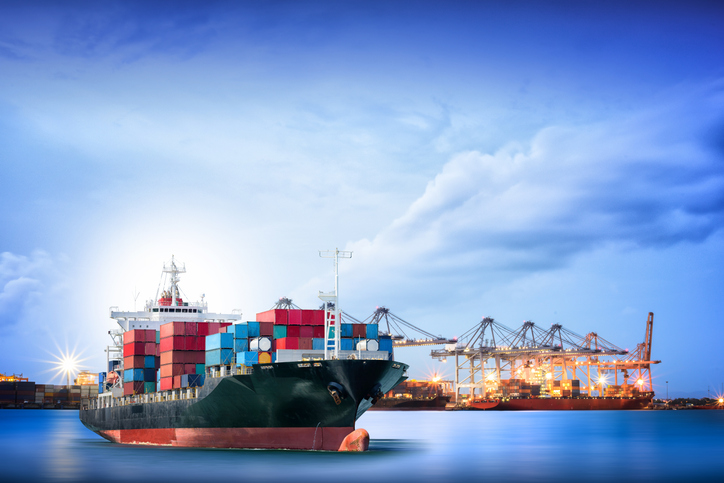
Sea transport generally shows a lower emissions intensity per tonne-kilometre for long-distance shipments compared with air transport. Air transport provides speed and flexibility but typically has a higher emissions intensity. Rail and multimodal solutions may offer a balance between transit time and emissions, particularly across regional corridors.
In practice, modal decisions are linked to inventory strategy. Planning shipments further in advance can help enable the use of transport options that typically have lower emissions intensity per tonne-kilometre. For additional guidance, explore the knowledge center.
How do fuel choices influence emissions in shipping?
Fuel choice is becoming increasingly relevant in reducing transport-related CO₂e emissions. Alternative fuels with lower lifecycle emissions potential may show reduced greenhouse gas impacts when assessed using recognised methodologies.
These are often implemented through a book-and-claim model. In this approach, alternative fuels are used within parts of the transport network, and the associated emission-reduction benefits are allocated across shipments. This allows importers to participate in programmes that contribute to emission-reduction measures implemented within parts of the transport network.
To explore available solutions, visit the GoGreen Plus page or read Go green: The route to sustainability in logistics for importers.
How does visibility support emissions management?
Visibility tools play a key role in providing data that can help users understand emissions sources and plan operations with greater efficiency in mind.
Digital platforms provide access to shipment data, such as routing, timing and emissions insights, which helps importers identify where emissions occur and where efficiency improvements may be possible. For example, platforms such as myHillebrandGori provide:
- Shipment visibility across trade lanes
- Transport-related CO₂e emissions reporting
- Milestone tracking and alerts
- Data sharing across stakeholders
This level of transparency supports coordinated planning and helps meet reporting requirements. To explore further insights, visit the Hillebrand Gori blog.
How is sustainability evolving in beverage transport?
Sustainability in beverage transport continues to evolve as regulatory frameworks and technology progress. Policies such as emissions trading systems and maritime fuel regulations are increasing the focus on monitoring and managing emissions. At the same time, alternative fuels and digital tools are becoming more accessible.
Collaboration also plays a role. Industry partnerships and shared initiatives can support progress across supply chains. Learn more in Building partnerships for a more sustainable wine industry and We pledge to protect the Arctic.
How Hillebrand Gori supports sustainability in beverage transport
Hillebrand Gori supports importers with transport solutions designed to balance reliability, visibility and efficiency. From modal optimisation and consolidation to digital tools and lower emission fuel options, solutions can be selected to align with operational objectives and emissions related considerations.
Through platforms such as myHillebrandGori and services like GoGreen Plus*, importers can access emissions insights and take practical steps to help manage transport-related CO₂e emissions across their supply chains.
GoGreen Plus contributes to emission reduction measures implemented within parts of the logistics network through the use of alternative fuels allocated via the book-and-claim method.
This does not necessarily mean that a specific shipment is physically transported using these fuels.
Further information is available on the GoGreen Plus page. To explore more, visit the Sustainability page or the knowledge center.
Sea transport generally shows a lower emissions intensity per tonne-kilometre for long-distance routes, particularly when shipments are consolidated.
How can we help your business grow?