Port codes: their role in the global beverage trade
When moving alcoholic beverages across borders, ports act as crucial gateways. Whether it’s wine from Italy, beer from Mexico or spirits from Scotland, these products often travel thousands of kilometers via sea before reaching their final destination. One small but crucial element helps keep this complex network running smoothly: port codes.
Used globally, port codes are standardized identifiers that represent specific seaports. For wine, beer and spirits importers, knowing these codes can simplify planning, tracking and coordinating international shipments. In this article, we explore what port codes are, highlight those most relevant to the top trade routes, and take a closer look at how ports support the global beverage supply chain.
What are port codes?
Port codes are typically based on the UN/LOCODE (United Nations Code for Trade and Transport Locations) system. Each code is made up of five characters: the first two represent the country (based on ISO 3166), and the last three designate the specific port or terminal.

For example:
- ITGOA stands for Genoa, Italy
- USNYC refers to New York, USA
- BEANR is Antwerp, Belgium
These codes are used in shipping documentation, customs declarations, transport management systems and tracking platforms. For businesses transporting alcoholic beverages, they offer a standardized way to reference locations and avoid confusion between ports with similar names.
Why port codes matter in beverage logistics
In beverage logistics, accuracy is everything. Mistaking one port for another can lead to delays, extra costs and inventory disruption. Port codes help reduce these risks by providing a clear and unique identifier for each location.
They also make it easier to:
- Automate booking and documentation
- Track shipments through digital platforms
- Coordinate between suppliers, freight forwarders and customers
- Streamline customs clearance
Port codes are more than just abbreviations - they are tools that contribute to smoother, more predictable beverage supply chains.
Key port codes on major trade routes for alcoholic beverages
Let’s take a closer look at some of the most important ports and their codes, based on top beverage trade lanes by volume in 2024. These are the entry and exit points that keep the global wine, beer and spirits market moving.
Wine trade routes and port codes
Trade Lane | Origin Port | Origin Code | Destination Port | Destination Code |
Italy–Germany | Genoa | ITGOA | Hamburg | DEHAM |
Spain–Germany | Valencia | ESVLC | Hamburg | DEHAM |
Spain–France | Barcelona | ESBCN | Le Havre | FRLEH |
Italy–USA | Livorno | ITLIV | New York | USNYC |
Italy–UK | La Spezia | ITLSP | London Gateway | GBLGP |
Source: S&P IHS Markit
These routes support major volumes of bottled and bulk wine, and ports like Genoa and Hamburg are vital to making those connections. Learn more in our feature on how ports support the wine supply chain.
Beer trade routes and port codes
Trade Lane | Origin Port | Origin Code | Destination Port | Destination Code |
Mexico–USA | Veracruz | MXVER | Houston | USHOU |
Belgium–France | Antwerp | BEANR | Dunkirk | FRDKK |
Netherlands–USA | Rotterdam | NLRTM | Philadelphia | USPHL |
Germany–Italy | Hamburg | DEHAM | Genoa | ITGOA |
Ireland–UK | Dublin | IEDUB | Liverpool | GBLIV |
With millions of liters transported annually, beer trade routes often rely on high-frequency services between nearby ports. The proximity of European ports, especially within the EU, makes short sea shipping a reliable option for beer logistics.
Spirits trade routes and port codes
Trade Lane | Origin Port | Origin Code | Destination Port | Destination Code |
Mexico–USA | Manzanillo | MXZLO | Los Angeles | USLAX |
Canada–USA | Montreal | CAMTR | New York | USNYC |
UK–USA | Felixstowe | GBFXT | Charleston | USCHS |
UK–France | Southampton | GBSOU | Le Havre | FRLEH |
France–USA | Marseille | FRMRS | Savannah | USSAV |
The transatlantic movement of spirits is built around consistency and reliability. Ports like Felixstowe and Le Havre support regular sailings to the East Coast of the United States, a major market for European distilled beverages.
Port infrastructure and its impact on beverage transport
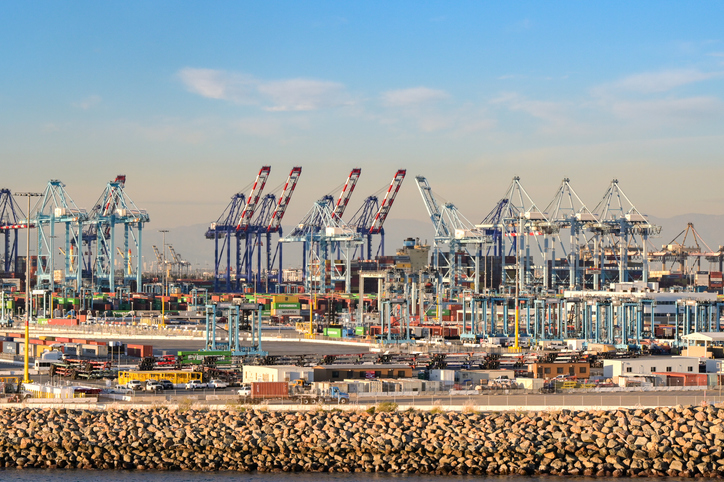
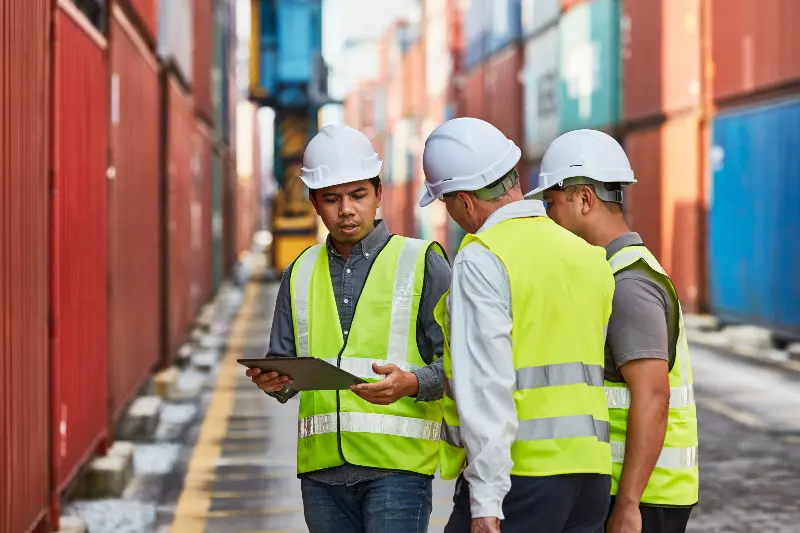
Behind every port code is a physical location with infrastructure tailored to loading and receiving shipping containers. Some ports also have on-site rail terminals, which enables last mile delivery of wine, beer or spirits without the need for lengthy road transport. This is particularly useful if there is a shortage of local haulage or traffic.
Ports play a key role in:
- Processing containers through efficient terminal operations
- Providing access to inland transport modes like rail or road
- Offering customs and inspection services in-line with alcohol regulations
Choosing the right port is about more than location, it’s also about managing capacity, reliability, transit time and on-time delivery.
Want to understand more port-specific terminology? Check out our article on harbor, port, terminal, and quay definitions.
How beverage importers use port codes
As a beverage importer, you’ll rely on port codes across several touchpoints in the logistics process. These codes appear in booking instructions, bills of lading and shipping schedules, helping to ensure accuracy from the moment a shipment is planned. They also play a key role in track and trace platforms, offering clear visibility as shipments move through international ports. In customs and compliance procedures, port codes support documentation, reducing the risk of delays or errors during clearance.
By integrating port codes into logistics software like myHillebrandGori, importers can improve visibility, streamline communication and optimize transit times. In a trade landscape where precision and predictability matter, these codes are a quiet but essential part of the puzzle.
How can we help you?
At Hillebrand Gori we support wine, beer and spirits importers by simplifying every step of beverage logistics. This includes helping beverage shippers choose the most efficient routes and port combinations, advising on customs procedures and managing documentation requirements with precision. Our expert teams also offer solutions designed specifically for alcoholic beverages, such as temperature-controlled transport and storage handling throughout the journey.
Reviewed by Hillebrand Gori
A port code is a standardized five-character identifier used to represent a specific sea port. It helps importers and logistics providers clearly identify where a shipment is being picked up or delivered.
For a wider look at how shipping ports impact beverage logistics, read our essential port guide for beverage importers.
Some of the most frequently used port codes in the global alcoholic beverage trade include ITGOA for Genoa (Italy), NLRTM for Rotterdam (Netherlands), USNYC for New York (USA), MXVER for Veracruz (Mexico), and GBFXT for Felixstowe (United Kingdom). These ports are central to high-volume trade routes between Europe, North America and beyond.
Port codes are integrated into shipping systems and documentation, making it easier to automate processes like booking, tracking and customs submissions. Knowing and using the right port codes can help streamline international beverage logistics from start to finish.
How can we help your business grow?