The biggest port in America: why it matters for importers
Table of contents
- What is the biggest port in America?
- Why the Port of Los Angeles matters to beverage importers
- How does it compare with other major U.S. ports?
- The biggest port in America vs. the biggest port in the world
- Technology and sustainability at the Port of Los Angeles
- Conclusion: What it means for beverage importers
- How Hillebrand Gori can help?
U.S. ports are the gateways to international trade, especially for importers of wine, beer and spirits. Among them, one stands out as the biggest port in America: the Port of Los Angeles. But what makes it the biggest? Is it the volume of trade, the size of the terminal or its role in the global logistics chain?
Let’s explore what makes the Port of Los Angeles a vital hub for beverage transport and how it compares with other leading ports in North America.
What is the biggest port in America?
The Port of Los Angeles holds the title as the largest port in the U.S. in terms of container volume. In 2023, it handled over 8.6 million twenty-foot equivalent units (TEUs) according to Port of Los Angeles – Annual Container Volume Data, making it a central artery in U.S. trade, especially with Asia.
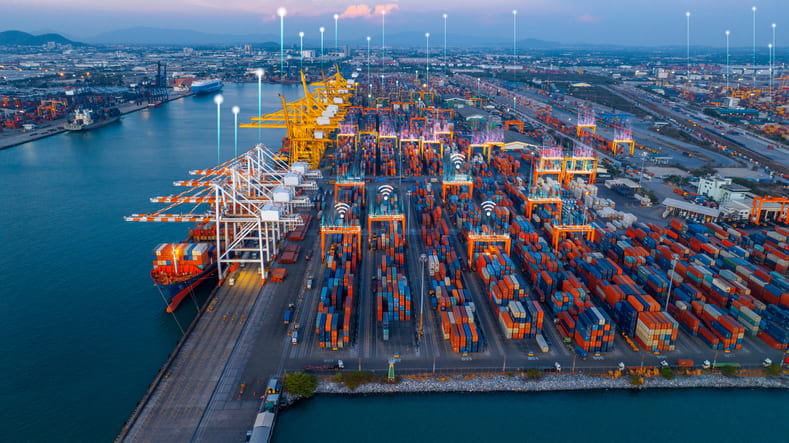
Located in San Pedro Bay, California, it spans over 7,500 acres with 43 miles of waterfront and 25 cargo terminals. That physical footprint, combined with its advanced infrastructure and deep-water capacity, makes it the biggest port by both area and throughput.
Why the Port of Los Angeles matters to beverage importers
The Port of Los Angeles is more than a shipping hub, it's a strategic access point for businesses importing alcoholic beverages from global producers. Here’s why it’s important:
- Direct access to Pacific trade lanes from countries like Australia, New Zealand, and Chile, key exporters of wine.
- Intermodal infrastructure connects the port to rail and truck networks that move beverages across the U.S.
- Its refrigerated container handling capabilities support temperature-sensitive wine and beer shipments.
- Close proximity to southern and central California wine regions, and a viable alternative for Napa and Sonoma exports.
These features make it easier to import and distribute wine, beer and spirits while keeping quality intact and timelines on track.
How does it compare with other major U.S. ports?
While the Port of Los Angeles ranks first in size and throughput, several other U.S. ports also play key roles in transporting wine, beer and spirits. Here’s a closer look:
1. Port of New York and New Jersey
- 2nd largest port in the U.S. by container volume.
- A preferred gateway for European wine imports, especially from Italy, France, and Spain
- Offers strong connections to importers located in the Northeast.
- Handles both reefer and LCL shipments efficiently.
2. Port of Houston
- A rising star and a hub for South American beverage imports, especially beer.
- Easy access for Texas markets and well-connected for routing to Central, Midwest, and Southeast destinations
- Large warehousing and distribution zones support fast throughput.
3. Port of Oakland
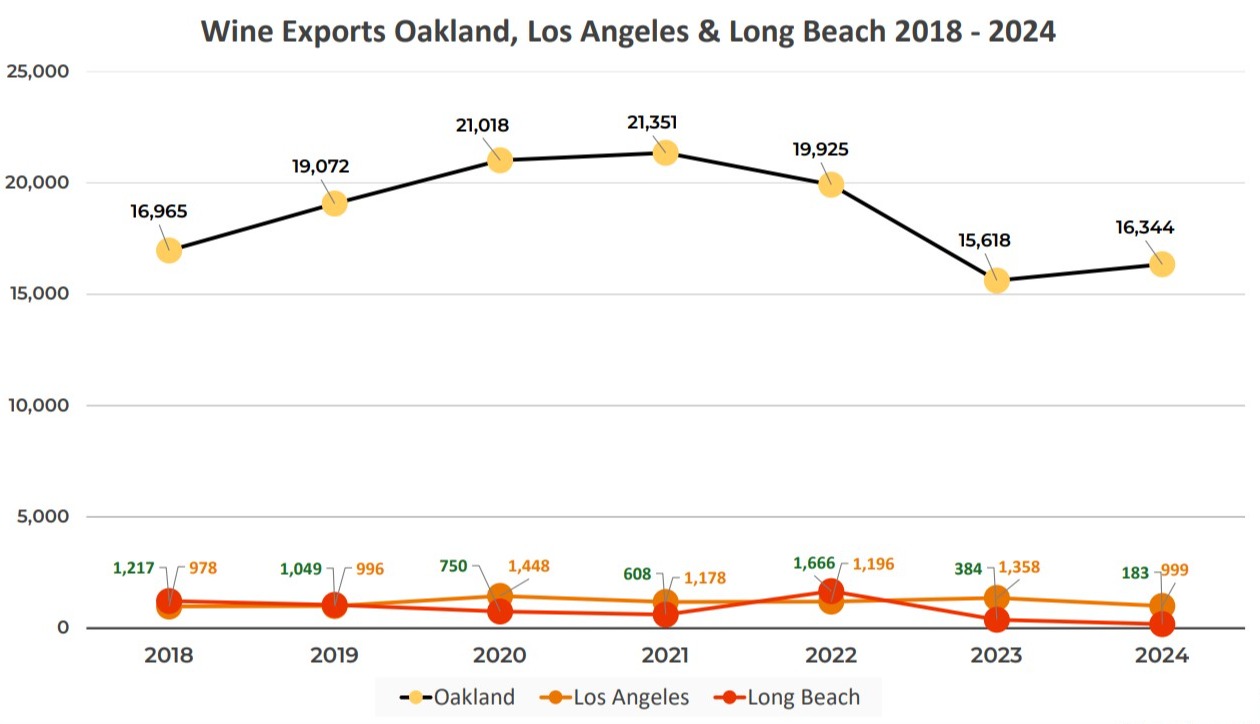
- Market leader by volume for U.S. wine exports and close to vineyard production areas
- Key access to bottling facilities in California for imported bulk wine shipments in flexitanks
- Equipped for reefer containers and flexible on LCL and bulk shipments.
Each of these ports brings value depending on your sourcing regions, volumes and final delivery points. The Port of Los Angeles, however, continues to lead in scale, infrastructure and global connectivity.
The biggest port in America vs. the biggest port in the world
While the Port of Los Angeles is the biggest in the U.S., it doesn’t come close to the largest globally.
That title goes to the Port of Shanghai in China, which handled over 47 million TEUs in 2023 - more than five times that of Los Angeles.
Still, the Port of Los Angeles plays a pivotal role in connecting U.S. markets to global beverage producers, particularly in the Pacific.
Technology and sustainability at the Port of Los Angeles
The port is also a leader in digitization and environmental innovation. For beverage importers, this brings added value:
- Digital port systems provide real-time container tracking and improve reliability.
- Green supply chain initiatives, like shore-side power and electric yard trucks, support sustainable logistics goals.
- Cold chain solutions and inspection services streamline compliance for alcoholic beverages.
These advancements make it easier for wine, beer and spirits importers to build efficient and sustainable supply chains.
Methodology: How ports are ranked
Port rankings vary depending on what you measure. For this article, "biggest port in America" refers to:
- Annual container volume (TEUs)
- Total port acreage and terminal space
- Intermodal and reefer capabilities
- Relevance to beverage logistics
This multifaceted approach better reflects the port’s overall value to wine, beer and spirits importers.
Conclusion: What it means for beverage importers
Whether you import bottled wine from Italy or craft beer from Australia, the biggest port in America - Port of Los Angeles, offers reliable and wide-reaching access to U.S. markets. It leads in capacity, technology and connectivity, helping beverage businesses streamline operations from coast to coast.
If your supply chain includes regular imports via sea freight, understanding port infrastructure and volume can support smarter routing, better lead times and consistent quality. The Port of Los Angeles remains a vital option to consider when building a strong beverage logistics strategy.
How Hillebrand Gori can help?
With decades of experience in beverage logistics, Hillebrand Gori provides specialized transport solutions for wine, beer and spirits through the Port of Los Angeles and other major U.S. hubs. Services include:
- LCL and FCL transport
- Bulk transport in flexitank or isotank equipment
- Reefer container management
- Temperature protection and insulation solutions
- Customs clearance support and compliance
Our team can help identify the most efficient port and routing option for your beverage shipments, whether you're importing in bulk or smaller lots.
Explore more insights and trade resources via our Knowledge Center and Blog.
Reviewed by Hillebrand Gori
The top three by container volume are:
- Port of Los Angeles
- Port of New York and New Jersey
- Port of Long Beach
( Source: U.S. Bureau of Transportation Statistics)
No, the Port of Houston is among the top five but ranks below Los Angeles and New York/New Jersey in container volume.
The Port of Los Angeles is often considered the most iconic due to its scale, location in California and cultural visibility in media and trade.
How can we help your business grow?
-ebook-1---global-freight-forwarding/hil---cta-text-1---ebook-global-freight-forwarding-(1).png?sfvrsn=a2292c3e_3)
-ebook-1---global-freight-forwarding/hil---cta-post---gray.png?sfvrsn=3c55786a_1)