Wine tourism for wineries – connecting experience, sales and transport
Table of contents
- Introduction
- What is wine tourism?
- Why does wine tourism matter for wineries and distributors?
- How does wine tourism influence wine transport demand?
- How can wineries extend the experience beyond the cellar door?
- How is wine tourism evolving?
- How can eCommerce and transport work together for wineries?
- How Hillebrand Gori can support wine tourism logistics
Wine tourism is more than just a pleasant day out, it is a powerful way to create lasting connections between wine lovers and producers. From discovering local terroirs and traditional winemaking techniques to meeting the people behind the bottles, it plays an important role in shaping how wine is experienced and purchased.
Wine tourism continues to evolve as part of a broader shift towards experiential travel. According to UN World Tourism Organization, travellers are increasingly seeking destination-led experiences, with wine regions playing a central role. At the same time, data from International Organisation of Vine and Wine shows that leading wine-producing countries are strengthening their tourism offering to support long-term demand and brand development.
Wine tourism is closely linked to global wine production, as regions with strong production heritage often attract the highest visitor numbers and create stronger international demand.
What is wine tourism?
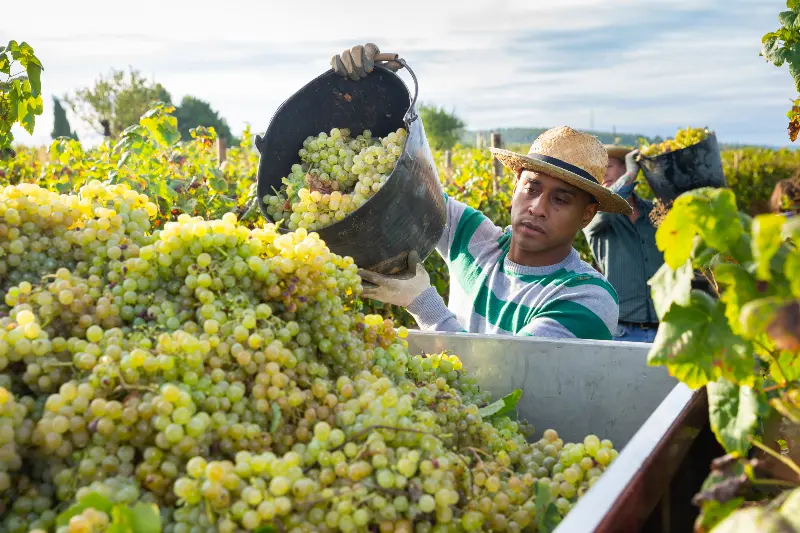
Wine tourism refers to visiting vineyards and wine regions to experience wine production, tastings and local culture. Today, it goes beyond leisure and plays an active role in commercial strategy for producers and distributors.
Insights from IWSR highlight the continued growth of premium and direct-to-consumer channels, where winery visits play a key role in influencing purchasing decisions.
Wine tourism also creates new supply chain dynamics. Visitors often purchase wine at the cellar door and expect delivery to their home market. This increases demand for smaller, more frequent shipments, cross-border compliance support and reliable transport solutions that help maintain product quality throughout the journey.
Historically rooted in established wine regions such as France, Italy, Spain and the United States, wine tourism is now a global phenomenon. Emerging markets across South America, Eastern Europe and Asia are investing in wine experiences to meet growing demand. South Africa’s Franschhoek Wine Tram, for example, has become a well-known attraction for visitors exploring wine regions.
According to Grand View Research, the global wine tourism market was valued at over USD 51 billion in 2023 and continues to expand as interest in local food and drink experiences grows.
Wine tourism does not end at the point of purchase. It extends into international transport, where maintaining quality, managing documentation and ensuring timely delivery become essential.

Why does wine tourism matter for wineries and distributors?
Wine tourism is not only about visitor numbers. It supports long-term business growth by strengthening brand identity and increasing direct sales opportunities.
A winery visit often leads to stronger customer relationships, repeat purchases and higher conversion rates. It also creates opportunities to position premium wines more effectively.
Wine tourism can support business growth by:
- Encouraging on-site purchases of premium or limited wines
- Strengthening brand storytelling and identity
- Increasing international visibility for smaller producers
- Supporting upselling through tastings, events and delivery options
In the UK, vineyard visits continue to grow as interest in local wine production increases. According to a Drinks Business article, there has been a 55% increase in UK wine tourism since 2022, underlining the demand for unique wine-related experiences.
In France, wine tourism remains a major contributor to regional economies. This report states that French wine tourism can reach 7 billion USD in 2025 with growth projected to achieve USD 22.5 billion by 2035, supporting both domestic and international wine demand.
Meanwhile, Vinetur reports that in Spain’s Rioja region, more than 3 million visitors toured the wineries in 2024 - a 2,2% increase from 2023, generating nearly 10% more revenue than the previous year.
How does wine tourism influence wine transport demand?
Wine tourism introduces a different type of demand compared to traditional distribution models. Instead of large, predictable volumes, producers increasingly handle smaller, more frequent shipments linked to direct-to-consumer sales.
Visitors often want to send wine home after their visit or reorder later through online channels. This creates a need for transport solutions that are flexible, compliant and easy to manage.
Common challenges for wineries and visitors include:
- Limited knowledge of how to send wine internationally
- Managing documentation and customs requirements
- Protecting wine quality during transport
- Understanding country-specific regulations
Transport planning plays a key role in addressing these challenges. Temperature, humidity and transit times can all impact wine quality, making route planning and packaging choices essential for protecting each shipment.
How can wineries extend the experience beyond the cellar door?
Turning wine tourism into a long-term opportunity means ensuring the experience continues after the visit. When customers receive their wine at home in excellent condition, it reinforces the connection created at the winery.
This is where specialised small-volume transport solutions can support wineries.
With Hillebrand Gori’s eShipping service, producers can offer a seamless way for visitors to receive their wine at home. The service supports the full process, including collection, packaging, documentation and delivery.
This approach can help wineries:
- Simplify international transport for small quantities
- Ensure compliance with local regulations
- Maintain product quality during transit
- Provide visibility through tracking and updates
It also supports direct-to-consumer strategies by making it easier to convert visits into long-term customer relationships.
How is wine tourism evolving?
Wine tourism has shown strong recovery and continues to evolve with changing consumer expectations. Today’s wine tourists are more informed and selective, looking for immersive and educational experiences.
Sustainability is also becoming part of the wine tourism experience. Visitors are increasingly interested in how wine is produced and transported, and businesses are responding by making more informed transport and sourcing decisions.
Key trends include:
- Growth in premium and private tasting experiences
- Increased focus on regional food and wine pairing
- Interactive experiences such as blending workshops
- Digital tools supporting booking, sales and delivery
Technology is playing a larger role in connecting the experience with ongoing customer engagement, including eCommerce and direct shipping solutions.
How can eCommerce and transport work together for wineries?
Direct-to-consumer sales are an important revenue stream for many wineries. Whether purchases happen on-site or online, customers expect a consistent experience from purchase to delivery.
Integrating transport solutions into eCommerce platforms can support this by providing:
- Easy management of small volume orders
- Flexible transport options based on destination
- Real-time visibility and tracking
- Support with documentation and compliance
This helps wineries manage growing demand while maintaining control over customer experience.
How Hillebrand Gori can support wine tourism logistics
As wine tourism continues to grow, the connection between experience and delivery becomes more important. Supporting this journey with reliable, quality-focused transport solutions helps producers and distributors extend their brand beyond the cellar door.
As a logistics partner specialised in wine, beer and spirits, Hillebrand Gori supports wineries with transport solutions designed for flexibility, visibility and compliance. From small shipments through eShipping to broader supply chain support, every solution is designed to make logistics easy.
Explore more insights in the Knowledge Center or visit the blog to learn how wine transport can support your growth.
Wine tourism involves visiting vineyards and wine regions to experience wine production, tastings and local culture. It also supports direct-to-consumer sales and brand engagement for wineries.
How can we help your business grow?